Choosing for Survival, Not Just Appearance
The most common mistake in a cold-climate perennial bed is selecting plants based on photographs taken at peak bloom in test gardens in mild climates. A species photographed thriving in a Kentville, Nova Scotia trial may perform very differently in a zone 3 garden near Red Deer, Alberta. The gap between a zone 5 and a zone 3 rating represents roughly 11°C of difference in average January minimums — a significant physiological challenge for root systems that must survive dormant for five to six months under frozen soil.
What follows is a review of species with documented performance in Canadian zones 2 through 5, drawn from records at public botanic gardens and provincial horticultural trial sites. Species are grouped by bloom period to help with bed sequencing.
Early-Season Bloomers (May–June)

Hosta
Hosta sieboldiana — Zone 3Primarily a foliage plant, hostas send up scapes of pale lilac flowers in June. The emerging shoots in May are vulnerable to late frosts; planting in a location with delayed morning sun reduces frost damage to new growth.

Maltese Cross
Lychnis chalcedonica — Zone 2One of the hardiest perennials available for Canadian gardens. Scarlet flat-topped flower clusters appear in late June and hold for three to four weeks. Tolerates clay soils and partial shade but performs best in full sun.

Garden Phlox
Phlox paniculata — Zone 3Tall clumping habit with fragrant flower heads in white, pink, or lavender. Susceptible to powdery mildew in humid summers; selecting mildew-resistant cultivars such as 'David' reduces foliar problems significantly.
Mid-Season Bloomers (July–August)

Purple Coneflower
Echinacea purpurea — Zone 3Tap-rooted and drought-tolerant once established. Blooms reliably from mid-July through August. Leaving seed heads standing through winter provides food for goldfinches and visual structure in the dormant garden.
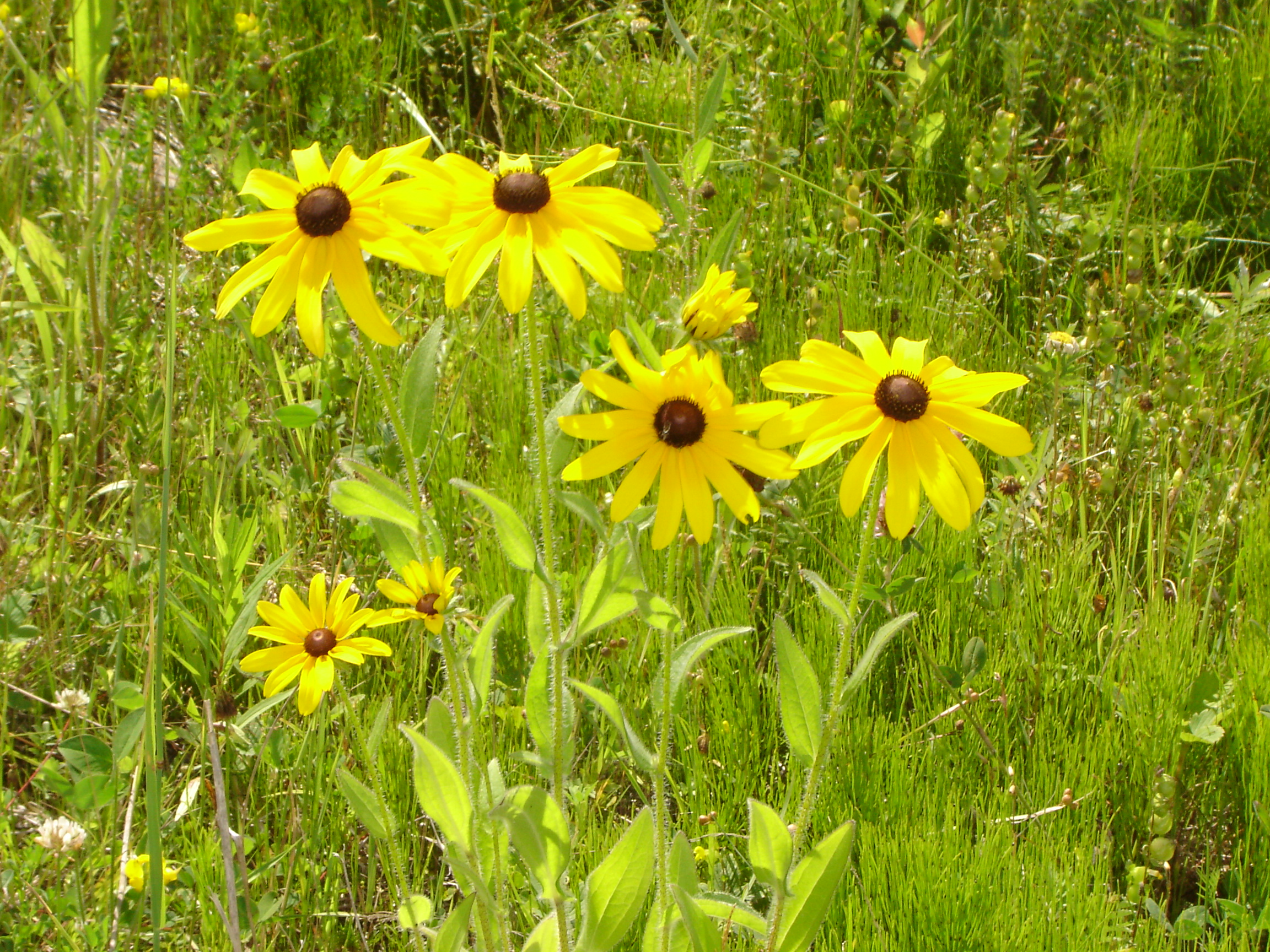
Black-Eyed Susan
Rudbeckia hirta — Zone 3Short-lived perennial that self-seeds generously, effectively sustaining its own colony once established. Bright yellow daisy flowers with a dark brown centre appear from July through early September.

Daylily
Hemerocallis fulva — Zone 3Spreads vigorously via rhizomes in well-drained soils. Each flower lasts a single day, but established clumps produce new buds continuously over three to four weeks. Highly tolerant of roadside and slope conditions.
Late-Season Bloomers (August–September)
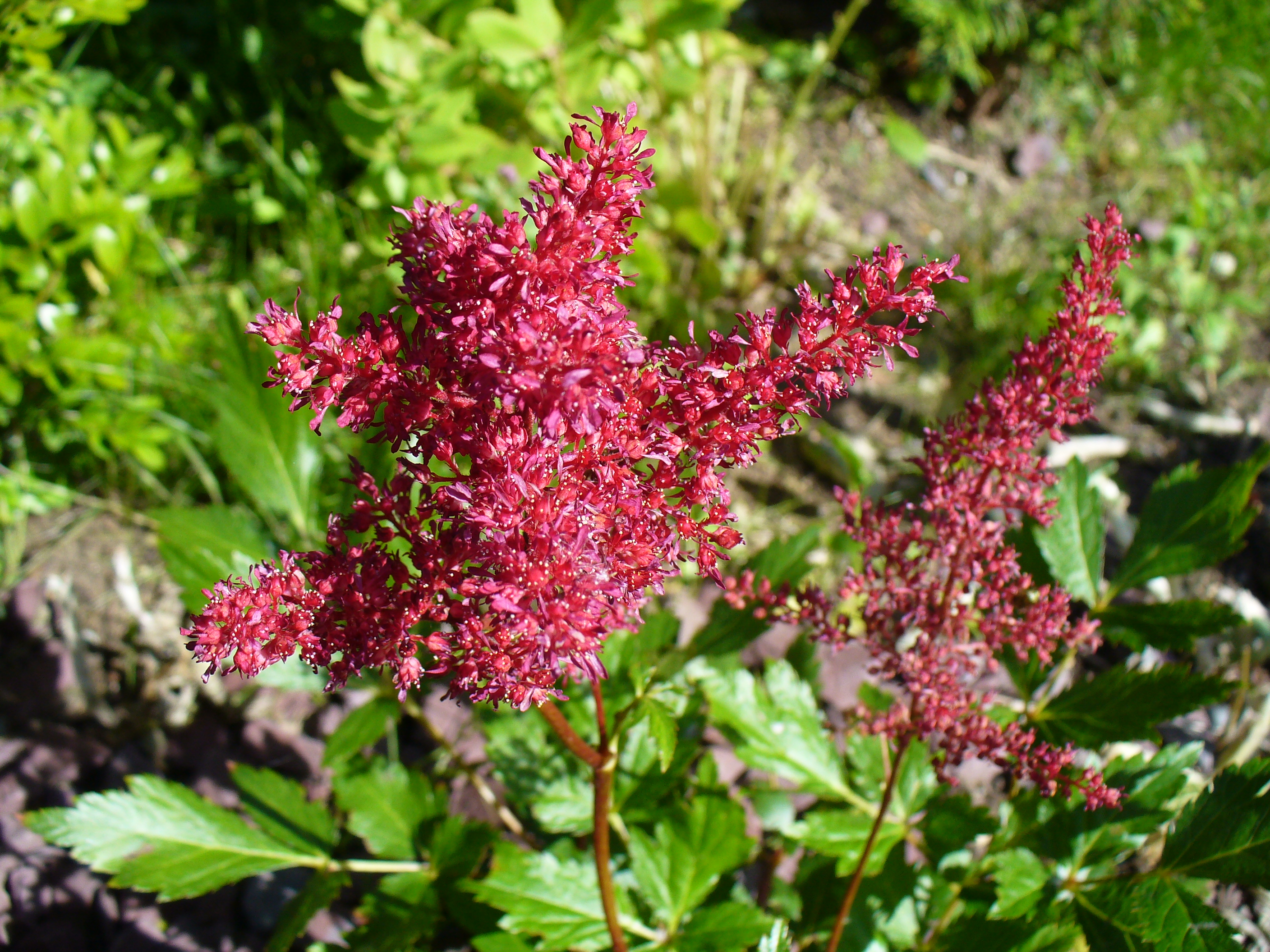
Astilbe
Astilbe × arendsii — Zone 3Feathery plumes in white, pink, or red. One of the best choices for partial to full shade in zone 3–4 gardens. Needs consistent moisture; does not tolerate drought well once in active growth.

Wild Bergamot
Monarda fistulosa — Zone 3Native to much of Canada's eastern and central grasslands. Lavender-pink flower heads attract bumblebees and monarch butterflies. Spreads by rhizome; divide every three years to keep clumps from becoming woody at the centre.
Sedum (Stonecrop)
Hylotelephium — Zone 3Succulent foliage from spring through autumn. Flat flower heads turn from green to deep red-pink in late August. Extremely drought-tolerant; often the last perennial to show frost damage in autumn.
Spacing and Bed Structure
A mixed perennial bed that spans from May to September in a zone 3 garden typically layers three height tiers: low edging plants (under 40 cm) at the front, mid-height structural species (40–80 cm) in the middle, and tall accent plants (80–120 cm) at the rear. Spacing these tiers with 15–20 cm more distance than the plant's mature spread allows for airflow, which reduces fungal pressure during humid August weeks.
Most of the species listed above reach their best performance after two full growing seasons. First-year plants — particularly those with deep tap roots like echinacea — direct most of their energy into root establishment rather than flowering. Evaluating a new planting on its third-year performance rather than its first gives a more accurate picture of whether the species suits the site.
Hardening Off and Planting Timing
In most prairie zones, the last reliable frost date falls between May 15 and May 30, depending on elevation and proximity to urban heat islands. Nursery stock purchased in early May should be held in a sheltered outdoor location for at least seven to ten days before transplanting — moving from greenhouse to open ground in a single step causes transplant shock that sets plants back by three to four weeks.
Fall planting of bare-root perennials is feasible in zones 4 and warmer if done at least six weeks before the first expected freeze date. This gives root systems time to establish before dormancy. In zone 3, fall planting of bare-root stock is higher-risk; potted plants with established root balls perform more reliably in the same timeframe.