
Hardiness Zones
Understanding Plant Hardiness Zones in Canada
How Natural Resources Canada maps hardiness across ten zones, what the numbers mean for plant survival, and how to read your local zone before buying stock.
A reference covering plant hardiness zones, frost-tolerant species selection, soil preparation, and perennial bed planning suited to Canada's varied northern conditions.
Recent Articles
Hardiness Zones
How Natural Resources Canada maps hardiness across ten zones, what the numbers mean for plant survival, and how to read your local zone before buying stock.

Perennial Selection
A practical look at species that reliably overwinter in zones 2–5, covering bloom period, soil preference, and spacing for mixed perennial beds.
Soil Health
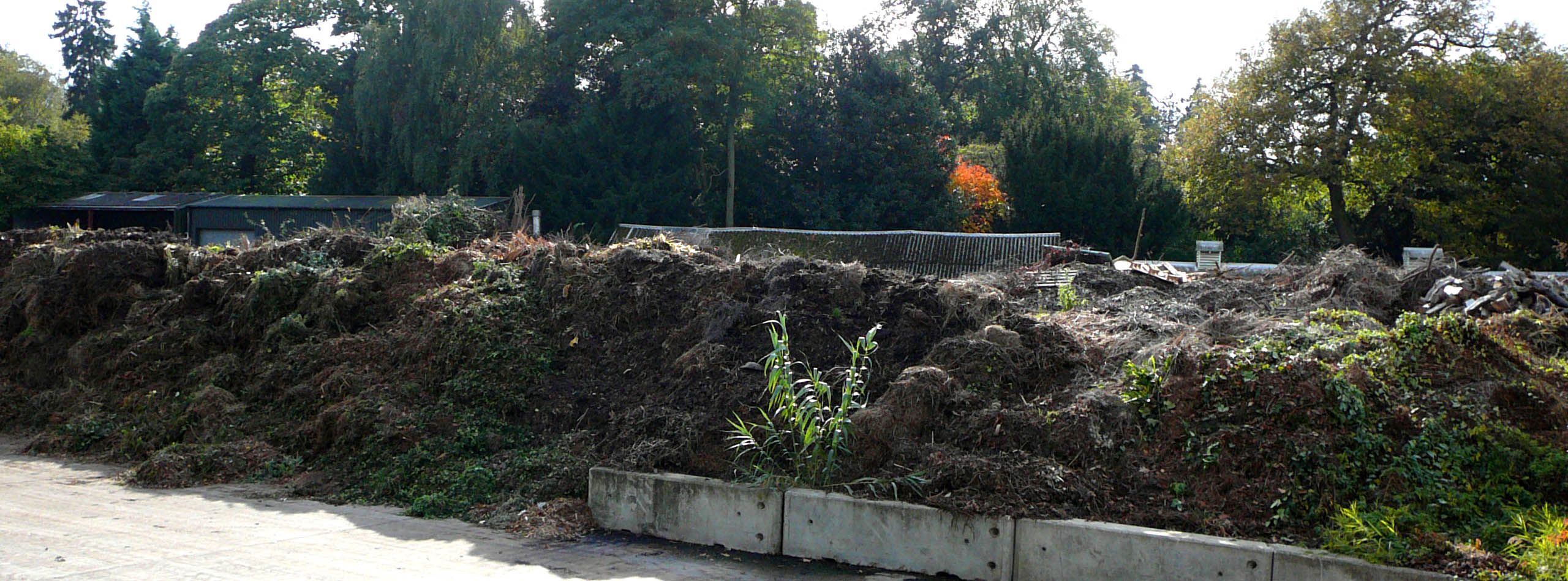
How compost, biochar, and organic mulch affect soil structure and drainage in clay-heavy northern soils through freeze-thaw cycles.
The Natural Resources Canada hardiness map assigns zones based on seven climate variables — not just minimum temperature. Understanding each factor helps predict whether a perennial will survive a Winnipeg winter or a Prince George spring frost.
Key Topics
Zone Mapping
Canada spans hardiness zones 0 through 8. Each zone reflects a composite of frost dates, snowfall, wind exposure, and summer heat accumulation.
Frost-Tolerant Species
Coneflowers, daylilies, hostas, and wild bergamot handle extended cold reliably. Selecting zone-appropriate stock avoids annual replacement costs.
Soil Amendments
Northern soils are often clay-heavy with slow drainage. Incorporating aged compost and coarse sand before freeze-up improves structure through spring thaw.
Perennial Bed Planning
Layering early-season bloomers with mid-summer and late-season species extends garden interest without additional irrigation in drier inland zones.
Mulching for Winter
Applying 8–10 cm of shredded bark or straw mulch after the first hard frost stabilises soil temperature and reduces heaving during mid-winter thaw events.
Native Plant Integration
Incorporating regionally native species alongside introduced perennials improves ecological resilience and typically requires less supplemental care over time.
10
Hardiness zones across Canada
−40°
Minimum recorded temperature in zone 0
7
Climate variables in the NRCan model
1989
Year of first Canadian hardiness map
A well-planned perennial bed in a zone 3 garden can look established within three seasons. The key is matching species to microclimate conditions rather than relying on zone ratings alone — south-facing walls, windbreaks, and soil drainage all shift effective survivability.
Contact & Inquiries
Questions about specific plant hardiness zones, soil conditions, or garden planning resources in your province are welcome.
In-depth articles on hardiness zones, frost-tolerant planting, and soil preparation are available across the site.
Start with Hardiness Zones